
November 6–7, 2026 | Wonju, South Korea
One week after withdrawing from UTNP 9 Peaks, I found myself at the International Trail Sports Conference (ITSC) in Wonju, surrounded by race directors, organizers, and people shaping the future of trail running.
I came to learn more about the sport, meet people, and explore opportunities for 2027.
I left with something more valuable: a different perspective on grit, community, and what it means to keep going.
The People We Remember
One of the most memorable presentations came from Steve Brammar, co-founder and race director of the Hong Kong 100.
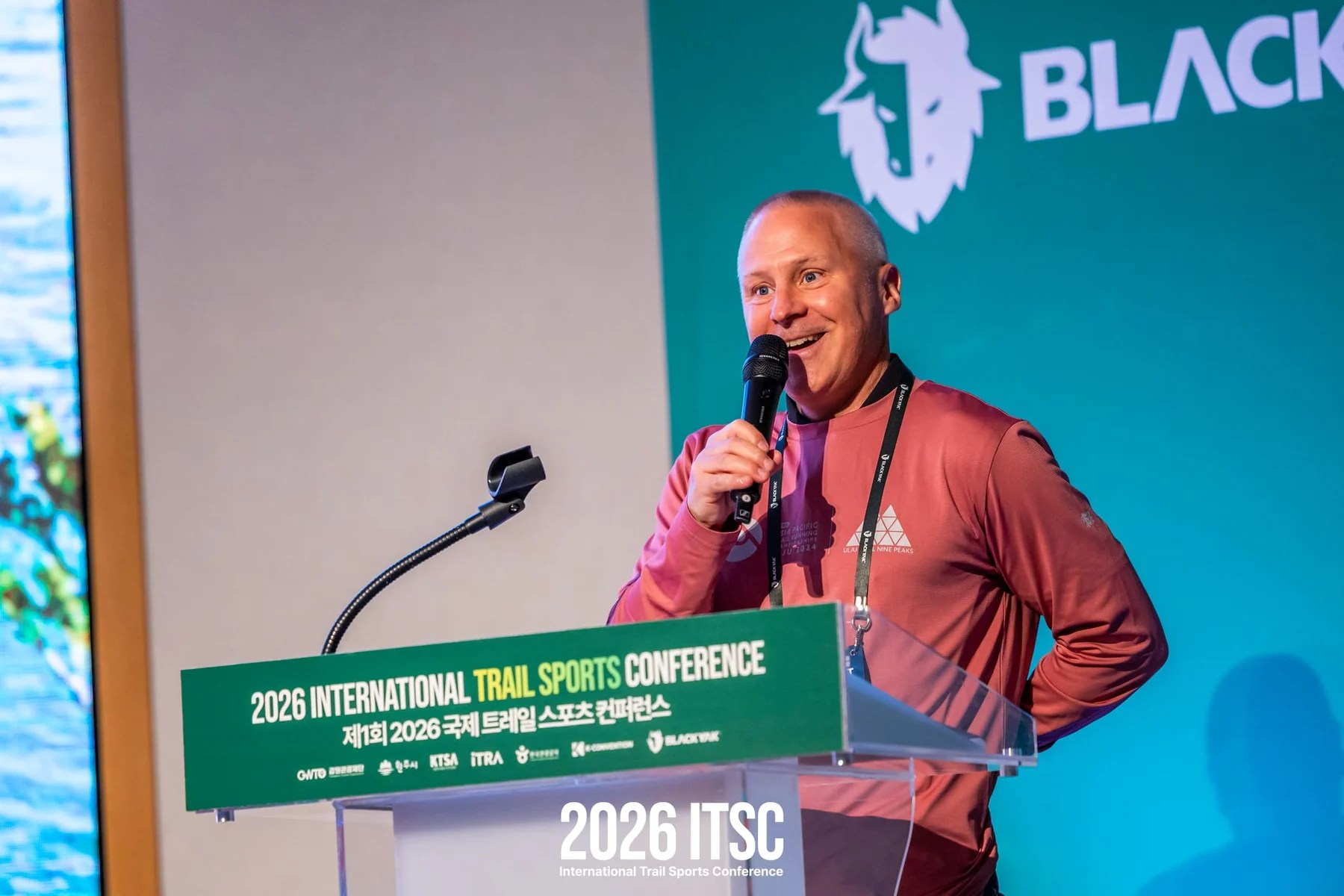
Steve shared a story about receiving encouragement to reach the next checkpoint during an ultramarathon. The story involved the family of Kim Young-rok, better known as Rock, CEO of Rock and Run.
As Steve spoke, I realized I had my own story about Rock.
During Geoje 100K in May, I was struggling and eventually withdrew after approximately 53.5 kilometers. Before I stopped, Rock encouraged me to continue.
I remember that interaction.
I don’t remember his exact words, but I remember how he made me feel.
At the time, I didn’t even know who he was. He was simply someone encouraging a struggling runner.
And that’s what I love about trail running.
Of course, it’s competitive. There are winners, records, and rankings. But for most of us, the greatest competition isn’t against the person beside us.
It’s against ourselves.
Our doubts, expectations, and limitations.
And sometimes, the person running beside us or standing at a checkpoint is the one who helps us believe we can take another step.
We measure races in kilometers, elevation gain, and finishing times.
But we remember the people who made us believe we could.
When Grit Means Knowing When to Stop
Another meaningful presentation came from Jey Jang, who spoke about safety in trail running.
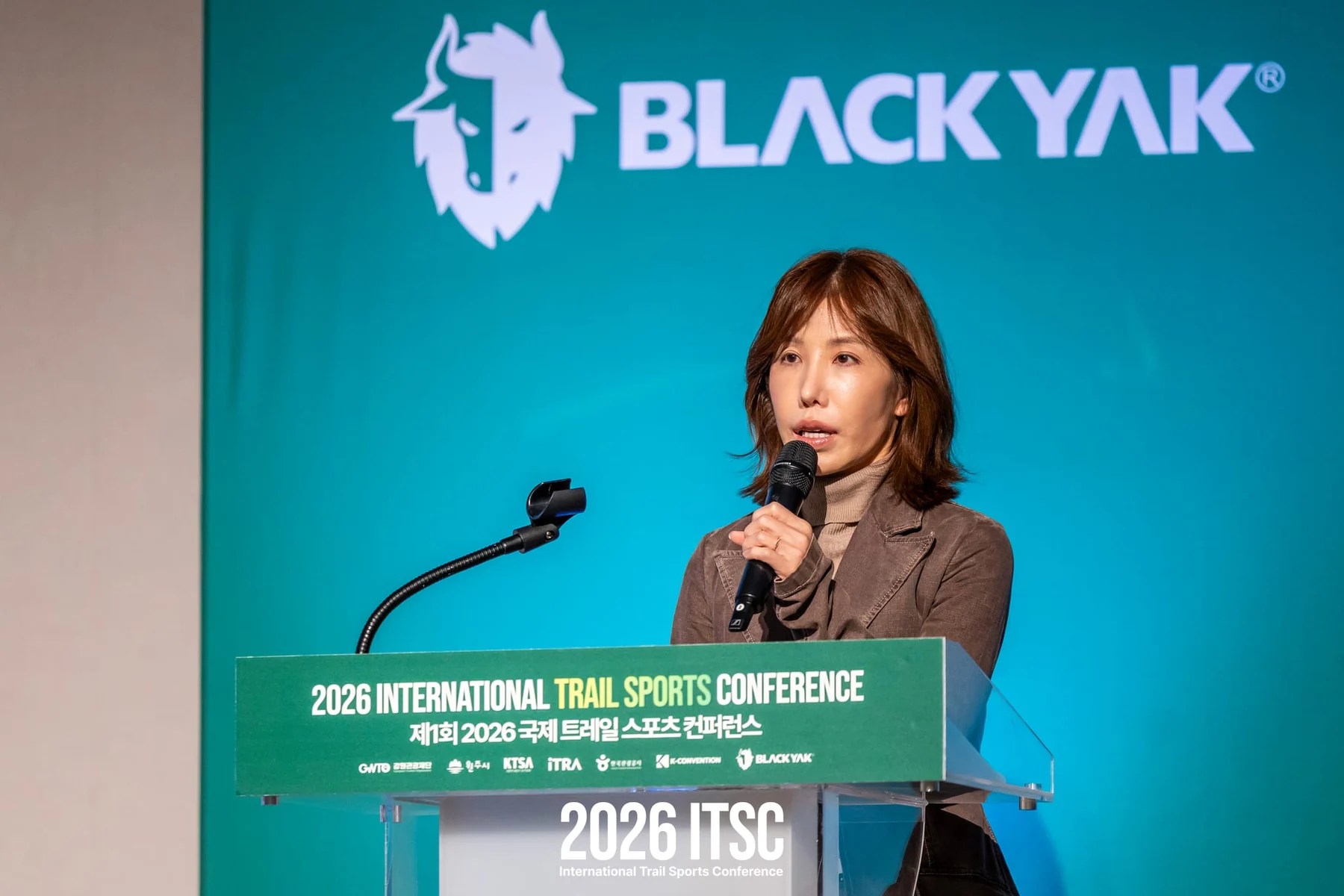
Her message made me rethink my recent DNFs and my understanding of grit.
There’s some irony in building a personal brand called ONEWAYGRIT while accumulating unfinished races.
I studied grit during my master’s degree, spent over a decade navigating life in South Korea, learned the language, built a business, and challenged myself through endurance sports.
I’ve always taken pride in pushing through difficulties. So yes, there’s some shame in not finishing.
But Jey’s presentation reminded me that grit isn’t about pushing through everything. Sometimes it’s about knowing when to stop.
My DNFs happened for reasons. Ignoring those reasons wouldn’t make me stronger. Learning from them might.
I’ll probably never win a major trail race. And even for those who do, few make a living from competing.
So what really matters?
The lessons we take from the course and how we apply them to our lives.
Patience. Humility. Judgment. Resilience.
I still believe in grit. But I’m learning that it isn’t about proving how much suffering I can endure.
It’s about making decisions that allow me to keep going for years to come.
Trail Running Is Growing. But What Should We Preserve?
Janet Ng, President of the International Trail Running Association (ITRA), presented data showing how rapidly trail running is expanding.
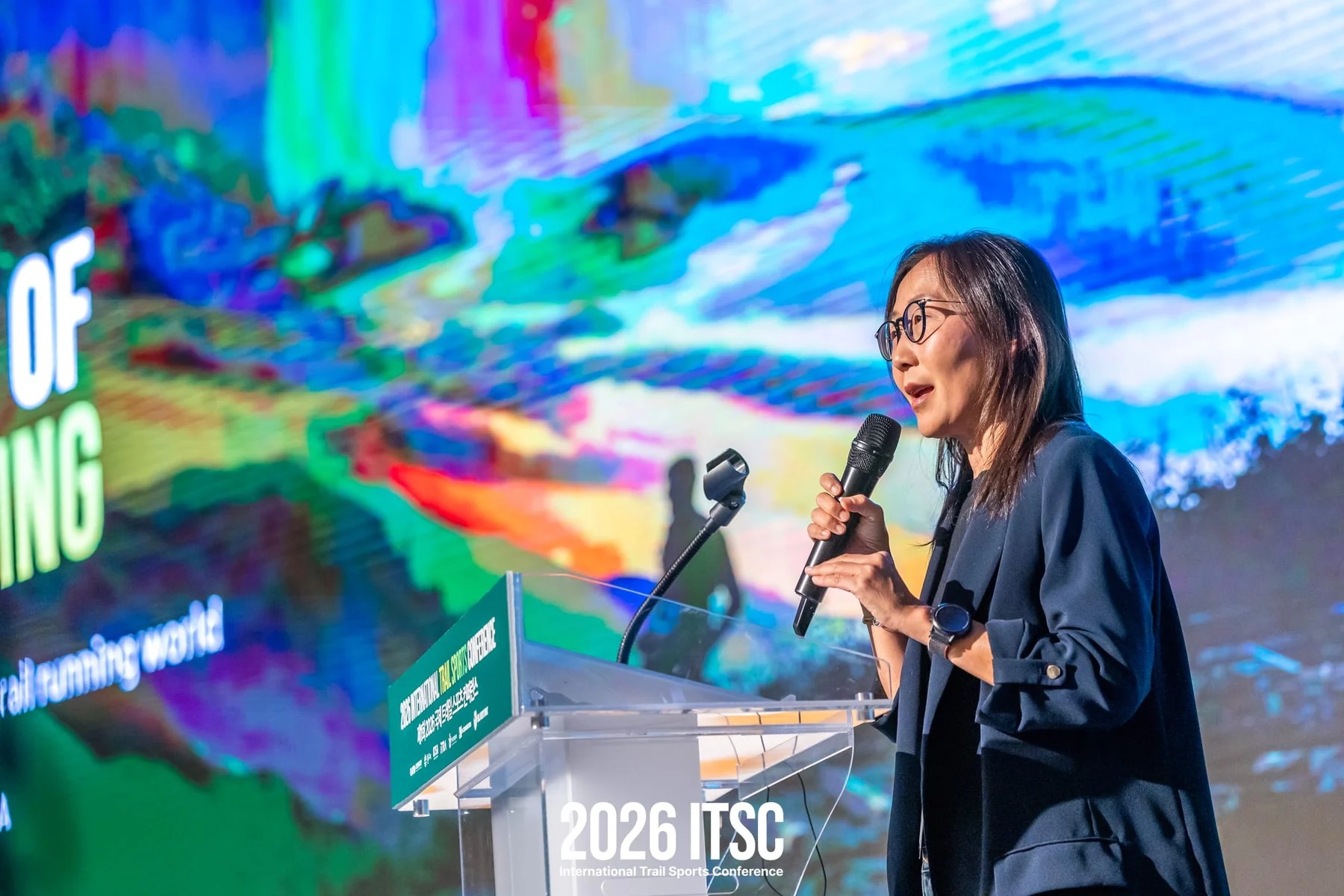
According to the figures presented at the conference:
- Approximately 4.1 million runners recorded globally, up 22.1% from 2024.
- Asia recorded approximately 880,000 runners, with 35% growth.
- South Korea ranked 14th globally, with 33,854 runners in ITRA’s data.
These figures represent ITRA’s recorded participation rather than every recreational trail runner.
The growth is exciting, particularly here in Asia.
But Janet also highlighted challenges involving unprepared runners, inconsistent race standards, accidents, and conflicts between stakeholders.
It made me wonder:
As trail running becomes bigger and more commercial, how do we preserve the community that makes it special?
I’ve experienced some extraordinary races in South Korea, from Jeju to Geoje and the Yeongnam Alps.
The mountains are spectacular, but the people, volunteers, and shared experiences are what keep bringing me back.
Growth matters. Safety matters. And so does protecting the culture that makes this sport different.
Five Kilometers, One Week Later
The conference also included a 5K Ground Run at Oak Valley, with approximately 200 meters of climbing and descending.
I ran it without knee pain.
Just one week earlier, during UTNP 9 Peaks, my knee pain had started around kilometer 15. I continued for another 25 kilometers before finally withdrawing at approximately kilometer 40.
It wasn’t an easy decision, but I knew continuing could make things worse.
After a few days of rest, my attention immediately shifted toward recovery. I began thinking about how to strengthen the muscles supporting my knee, improve my stability, and address the weaknesses that may have contributed to the problem.
The goal wasn’t simply to recover as quickly as possible.
It was to return stronger and better prepared for 2027.
Running five kilometers pain-free was encouraging, but it didn’t mean I had been wrong to stop at 40 kilometers.
Five kilometers and 122 kilometers place very different demands on the body.
Sometimes progress isn’t about going farther or faster.
Sometimes it’s about taking a smaller step in the right direction.
Looking Toward 2027
I want to return to Geoje 100K and UTNP 9 Peaks in 2027, better prepared physically and mentally.
But attending ITSC also made me consider how I might contribute to trail running beyond my own racing.
After more than a decade living in Korea and years working in education, coaching, and international communication, I’m interested in helping more people discover Korean trail running through storytelling, practical guides, and international connections.
I don’t know exactly where that will lead.
And that’s fine.
I came to Wonju to learn about the future of trail running.
Steve reminded me why the people matter.
Jey reminded me why safety matters.
Janet showed me how much the sport is changing.
And together, their presentations reminded me that the value of trail running isn’t measured only by the races we finish.
It’s measured by what we learn, who we meet, and how we carry those experiences into the rest of our lives.
The long cut is the shortcut.
One path. Keep going.
ONEWAYGRIT
Note: Participation figures are attributed to Janet Ng’s ITSC presentation and have not been independently verified. Steve Brammar’s anecdote is based on my recollection of his presentation.

